Stop Wasting Budget on WhatsApp: 5 Ways to Cut Your Business API Costs in 2026

WhatsApp Business API costs can rise fast when message categories, response timing, campaign targeting, and automation rules are not planned properly. In 2026, the best cost-saving strategy is not sending fewer messages. It is sending the right messages in the right window with the right template structure.
This guide covers five practical ways to reduce WhatsApp Business API costs without hurting customer experience. It also includes industry-specific use cases, a customer testimonial, and a quick summary for teams that want to optimize spend.
Summary
- Use free entry-point conversations wherever possible.
- Move eligible templates into lower-cost utility messaging.
- Keep 24-hour customer service windows active with fast automation.
- Consolidate message operations to unlock better pricing efficiency.
- Use analytics to pause waste and improve campaign ROI.
Table of Contents
- Leverage free 72-hour entry points
- Categorize templates for utility
- Activate 24-hour service windows
- Scale via volume tier discounts
- Identify wasted spend via analytics
- Industry-specific use cases
- Customer testimonial
- Conclusion
Leverage Free 72-Hour Entry Points
The cheapest WhatsApp conversation is the one that starts inside a free entry-point window. Businesses running Click-to-WhatsApp Ads can use these user-initiated interactions to move prospects into a 72-hour messaging period where qualifying follow-ups can reduce cost pressure significantly.
- Utilization of Click-to-WhatsApp Ads.
- Zero-cost messaging for the initial 72-hour window.
- Optimization of entry-point conversion funnels.
How to cut cost here:
- Route paid traffic directly to WhatsApp instead of landing pages with drop-off.
- Ask one qualifying question immediately after the user opens chat.
- Complete product discovery, FAQs, and follow-up within the active free window.
- Use automated flows to reduce agent delays that waste the conversation opportunity.
Categorize Templates for Utility
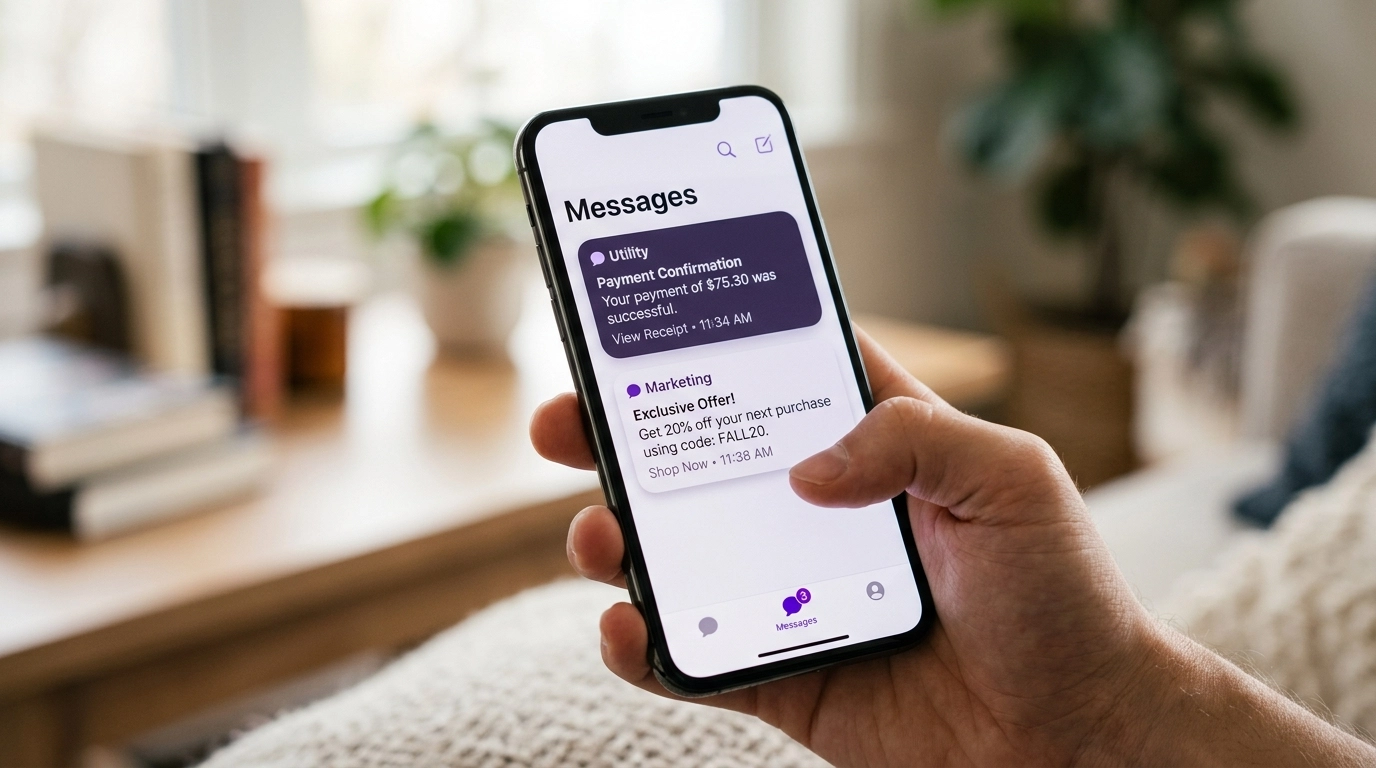
A common source of overspending is sending utility-type updates as marketing messages. Order alerts, payment reminders, appointment confirmations, and service notifications should be reviewed carefully so eligible communication is placed in the correct lower-cost category. This is one of the fastest ways to optimize WhatsApp Business API spend.
- Migration of marketing templates to utility categories.
- Reduced per-message rates for administrative notifications.
- Standardization of WhatsApp Business API template workflows.
How to cut cost here:
- Audit all approved templates every month.
- Separate promotional copy from transactional updates.
- Remove unnecessary upsell language from utility messages.
- Create internal approval rules before new templates go live.
Activate 24-Hour Service Windows
When a customer sends a message, businesses can respond inside the service conversation window instead of opening unnecessary paid conversations later. The cost advantage depends on speed. With WhatsApp Automation, brands can acknowledge inquiries instantly, answer common questions, and hand off to agents only when needed.
- Implementation of WhatsApp Automation.
- Free-tier session activation via user-initiated inquiries.
- Immediate response protocols to maintain service windows.
How to cut cost here:
- Set instant auto-replies for inbound product, support, and order queries.
- Trigger FAQ flows before agent assignment.
- Re-engage active users inside the service window rather than through fresh paid templates.
- Keep SLA alerts in place so no inbound message sits unanswered.
Scale via Volume Tier Discounts
Large senders often lose money when teams, brands, or regions operate in silos. Consolidating traffic, reporting, and support operations can create better pricing efficiency and reduce duplication. A shared setup also helps teams manage catalog selling, campaigns, and support from one system, especially for brands using a WhatsApp Store.
- Consolidation of messaging traffic through single-agent dashboards.
- Activation of progressive discount tiers for high-volume accounts.
- Centralized billing for multi-brand WhatsApp Store operations.
How to cut cost here:
- Merge fragmented WhatsApp operations into one platform.
- Standardize agent workflows across business units.
- Negotiate volume-based pricing using combined message traffic.
- Track cost per conversation by team, campaign, and region.
Identify Wasted Spend via Analytics
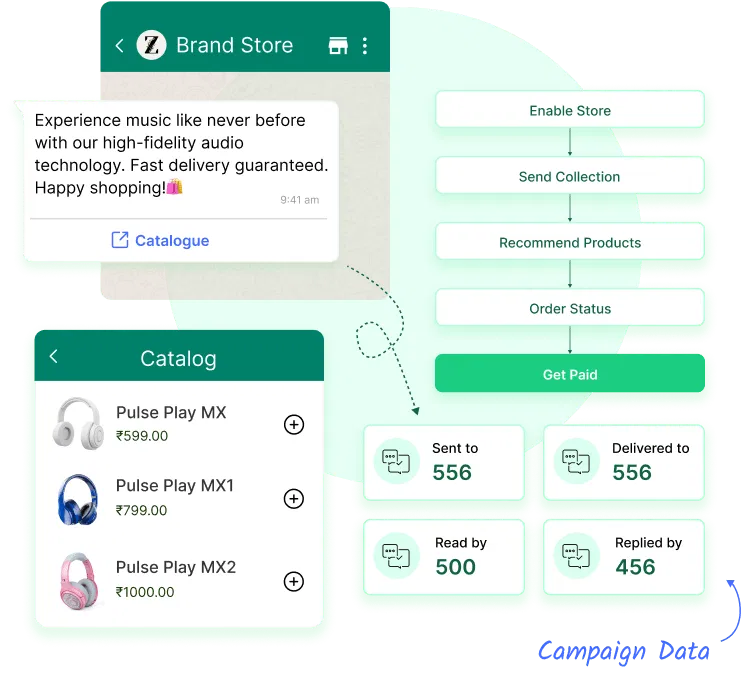
Cost reduction without reporting usually turns into guesswork. Businesses need to know which broadcasts convert, which audiences ignore templates, and which regions drive high spend with low return. Using WebMaxy Analytics, teams can identify where budget leaks happen and stop low-efficiency campaigns early.
- Deployment of WebMaxy Analytics for segment tracking.
- Termination of low-converting broadcast sequences.
- Real-time monitoring of ROI across high-cost geographical regions.
How to cut cost here:
- Pause segments with weak reply rates or low purchase value.
- Compare template performance before scaling.
- Exclude unresponsive audiences from repeat campaigns.
- Monitor revenue per conversation, not just delivery volume.
Industry-Specific Use Cases

🛍️ E-commerce & Fashion
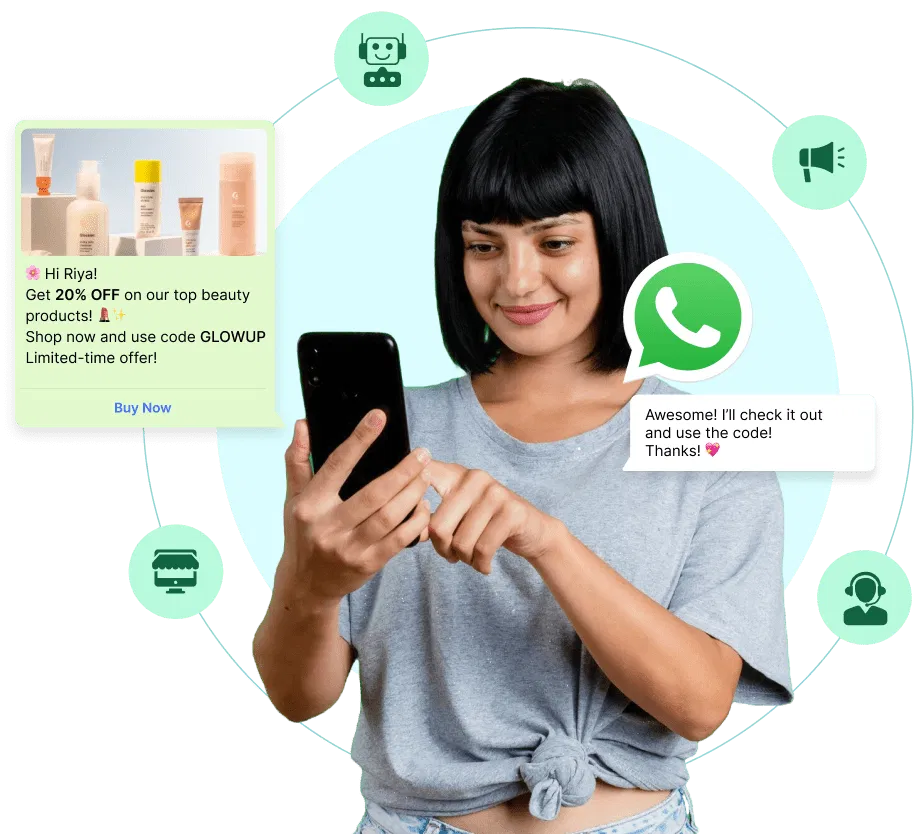
The Strategy: Use Click-to-WhatsApp ads to bring high-intent shoppers into a free entry-point conversation, then share product catalogs, size help, and cart recovery support inside the active window.
The Saving: This reduces the need for extra paid follow-up templates and helps brands convert product-interest conversations before new conversation charges begin.
🏬 Retail

The Strategy: Shift order confirmations, pickup alerts, stock notifications, and return updates into properly categorized utility templates instead of running them as marketing communication.
The Saving: Retail teams lower avoidable per-message costs while keeping operational customer communication active and compliant.
✈️ Travel & Hospitality

The Strategy: Centralize booking support, itinerary updates, check-in reminders, and customer service conversations in one workflow with fast automation and agent routing.
The Saving: Travel brands reduce duplicate conversations, improve response speed, and avoid unnecessary paid messaging caused by delayed support.
🍔 Restaurants & Food Brands

The Strategy: Use inbound menu inquiries, delivery support, reorder journeys, and offer-related chats inside active service windows to complete more conversations without reopening paid threads.
The Saving: Food brands cut repeat conversation costs and improve operational efficiency for high-frequency customer interactions.
Customer Testimonial
“After reviewing our template categories and shifting more customer communication into the right conversation windows, we saw a clear drop in unnecessary WhatsApp spend. WebMaxy helped us automate first responses, improve campaign targeting, and make our messaging costs much more predictable.”
— Marketing Manager, D2C Retail Brand
Conclusion
Reducing WhatsApp Business API costs in 2026 is mostly an operational issue, not a messaging volume issue. Brands that use free entry points, clean template categorization, fast automation, centralized scaling, and analytics-driven optimization can control spend without hurting conversions.
For teams looking to improve efficiency, the right setup can lower messaging waste while keeping customer engagement strong.
© 2026 WebMaxy. All rights reserved.

Adam Wilson
Adam Wilson comes with an experience of 12+ years in the IT industry. As a Customer Success Manager, he has been researching and trying to understand the customers’ behavior in different scenarios. He has also studied human psychology to relate it to the purchase journey of the customers. His published books on customer psychology and behavior have received many honors and awards from various enterprises.